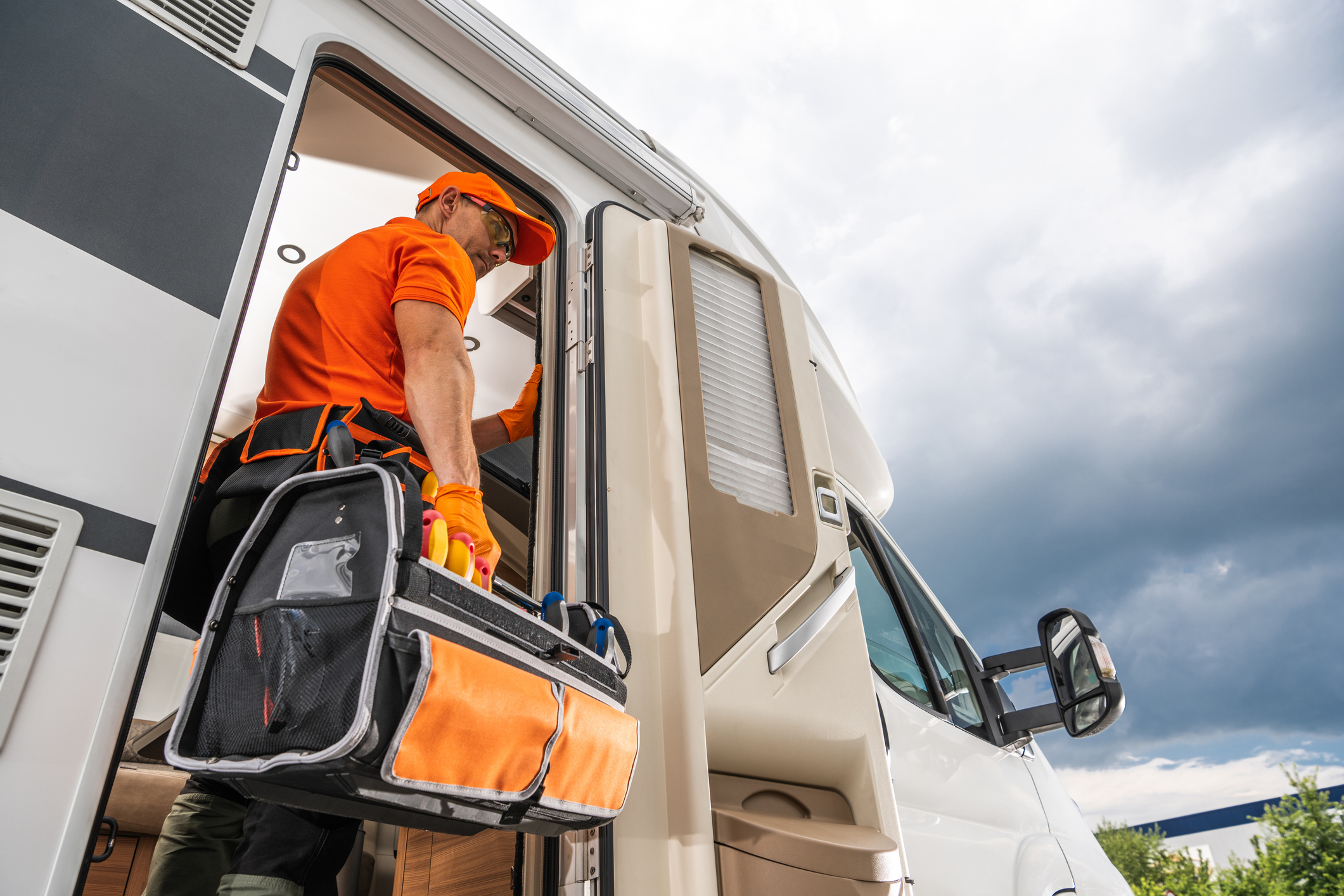
At MR RV Mobile Repairs, we know RV comfort depends on more than having appliances and equipment onboard. It also depends on knowing how those systems use power. Lights, water pumps, air conditioners, microwaves, refrigerators, batteries, inverters, and shore power connections all place different demands on your RV.
Managing RV power does not have to be complicated, but it does require attention. The goal is to prevent overloads, conserve battery life, and keep essential systems available when you need them most.
Know Which Appliances Use The Most Power
Every RV has electrical limits. Some systems use very little power, while others draw a lot at once. Interior lights, water pumps, control boards, and safety devices usually rely on 12-volt power. Larger appliances often need 120-volt power from shore power, a generator, or an inverter.
The biggest power users are usually air conditioners, microwaves, electric water heaters, and certain kitchen appliances. These items require more planning, particularly on 30-amp service.
If your RV is connected to 30-amp service, avoid running several high-draw items together, such as:
• Air conditioner
• Microwave
• Electric water heater
• Large kitchen appliances
Staggering these loads can help prevent tripped breakers and power interruptions. Run one major appliance, let it finish, then use the next.
Monitor Battery Levels Before Problems Start
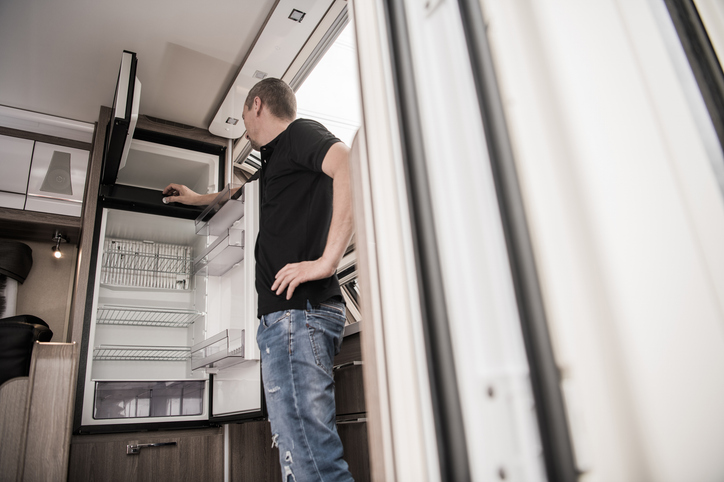
Your RV batteries support important 12-volt items such as lights, water pumps, control systems, and some appliance functions. If battery levels drop too low, basic comfort can be affected quickly.
Built-in monitor panels are helpful because they give you a general view of battery condition. Check them regularly during dry camping, overnight stays, or any trip where shore power is limited. Monitoring your batteries also helps you understand how quickly your power habits are using energy.
If batteries drain faster than expected, the issue may be heavy appliance use, weak batteries, poor charging, an inverter left on, or another electrical concern. Battery testing and electrical troubleshooting can help identify the cause before the problem interrupts a trip.
Use Propane To Conserve Electrical Power
Propane can be a valuable part of RV power management because it allows certain systems to operate without relying as heavily on battery power or shore power. Depending on your RV setup, propane may be used for the furnace, water heater, refrigerator, stovetop, or oven.
Using propane wisely can help extend battery life when you are camping off-grid. It can also reduce pressure on limited shore power. For example, using propane for the water heater instead of electric mode may leave more available power for other needs.
Propane systems should always be handled carefully. If you notice odor, ignition trouble, weak appliance performance, or any concern with a propane-powered system, it is best to call for professional service.
Turn Off The Inverter When It Is Not Needed
An inverter allows some RVs to use battery power for 120-volt appliances. That can be convenient, but it can also drain batteries faster than many owners expect. Microwaves, TVs, small kitchen appliances, chargers, and entertainment equipment can use a significant amount of energy when powered through an inverter.
One simple habit can help: turn off the inverter when you are not using 120-volt appliances. Leaving it on can create unnecessary drain, even when very little is being used.
It also helps to save high-draw appliance use for times when shore power or generator power is available. This keeps your batteries available for essential 12-volt needs like lighting, water pump operation, and controls.
Make Solar, Generators, And Shore Power Work Smarter
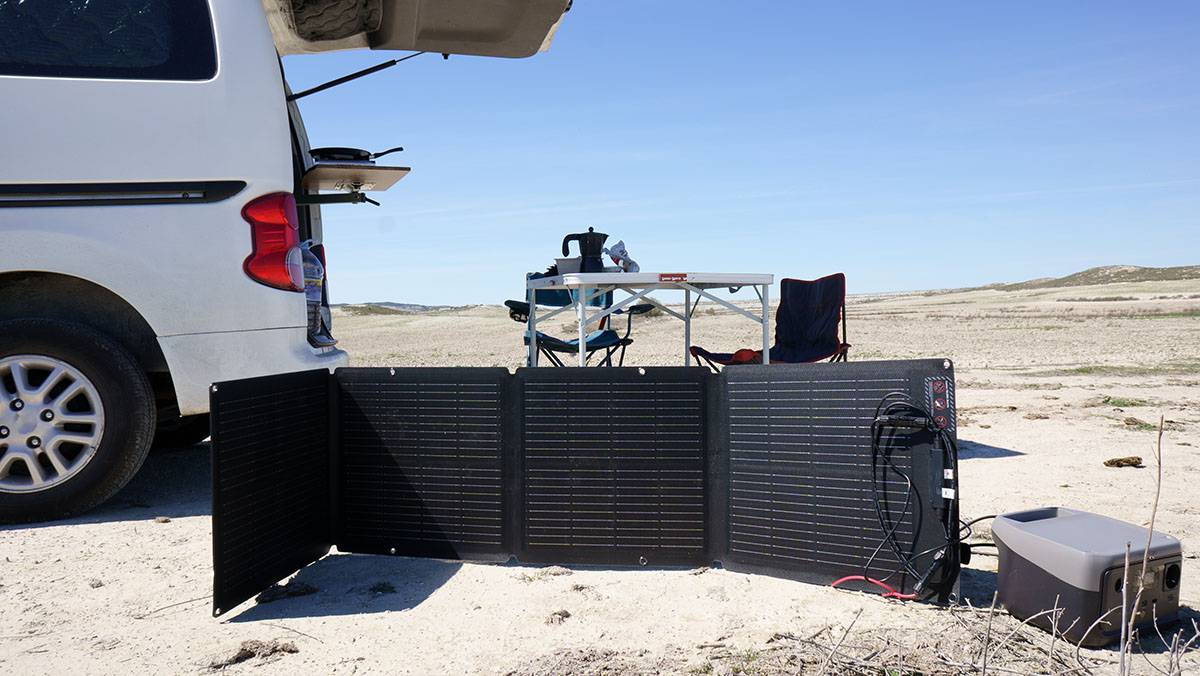
Solar panels and generators can help recharge batteries when shore power is not available. Solar works best when panels are clean and exposed to full sun. Shade from trees, buildings, dirt, or roof accessories can reduce charging performance, so parking location matters.
Generators can help recharge batteries and support higher power needs, but they should be used according to manufacturer guidelines and campground rules. Shore power is often the easiest option when available, but it still requires caution. Not every campground pedestal provides stable, reliable power.
An Electrical Management System, often called an EMS, can help protect your RV from faulty pedestal power, voltage problems, and other electrical issues. For many RV owners, an EMS is a smart safeguard before plugging in at a campsite.
Switch To LED Lighting And Reduce Small Drains
Lighting is one of the easiest places to improve RV power efficiency. LED bulbs use significantly less power than older incandescent bulbs. They also produce less heat and usually last longer. Switching to LED lighting can be useful for RV owners who camp off-grid, rely on battery power, or want to reduce overall electrical use. It may seem like a small upgrade, but it can help stretch available power during longer stays.
Small habits also matter. Turn off lights when they are not needed, unplug accessories that are not being used, and avoid leaving entertainment systems or chargers running unnecessarily. RV power management works best when you control both large appliance use and smaller daily drains.
Protect Your Power Before Your Trip Begins
Good RV power management comes down to balance. Monitor your batteries, use propane strategically, keep solar panels clean, turn off the inverter when it is not needed, respect 30-amp limits, reduce small drains with LED lighting, and use an EMS to protect your RV when connecting to shore power.
For RV owners in Oroville, Chico, Paradise, Yuba City, Marysville, Magalia, Durham, Gridley, Live Oak, and nearby areas, MR RV Mobile Repairs can help you address RV power concerns before they interrupt your plans. Call us to schedule professional mobile RV service and get your RV ready for a safer, more comfortable trip.