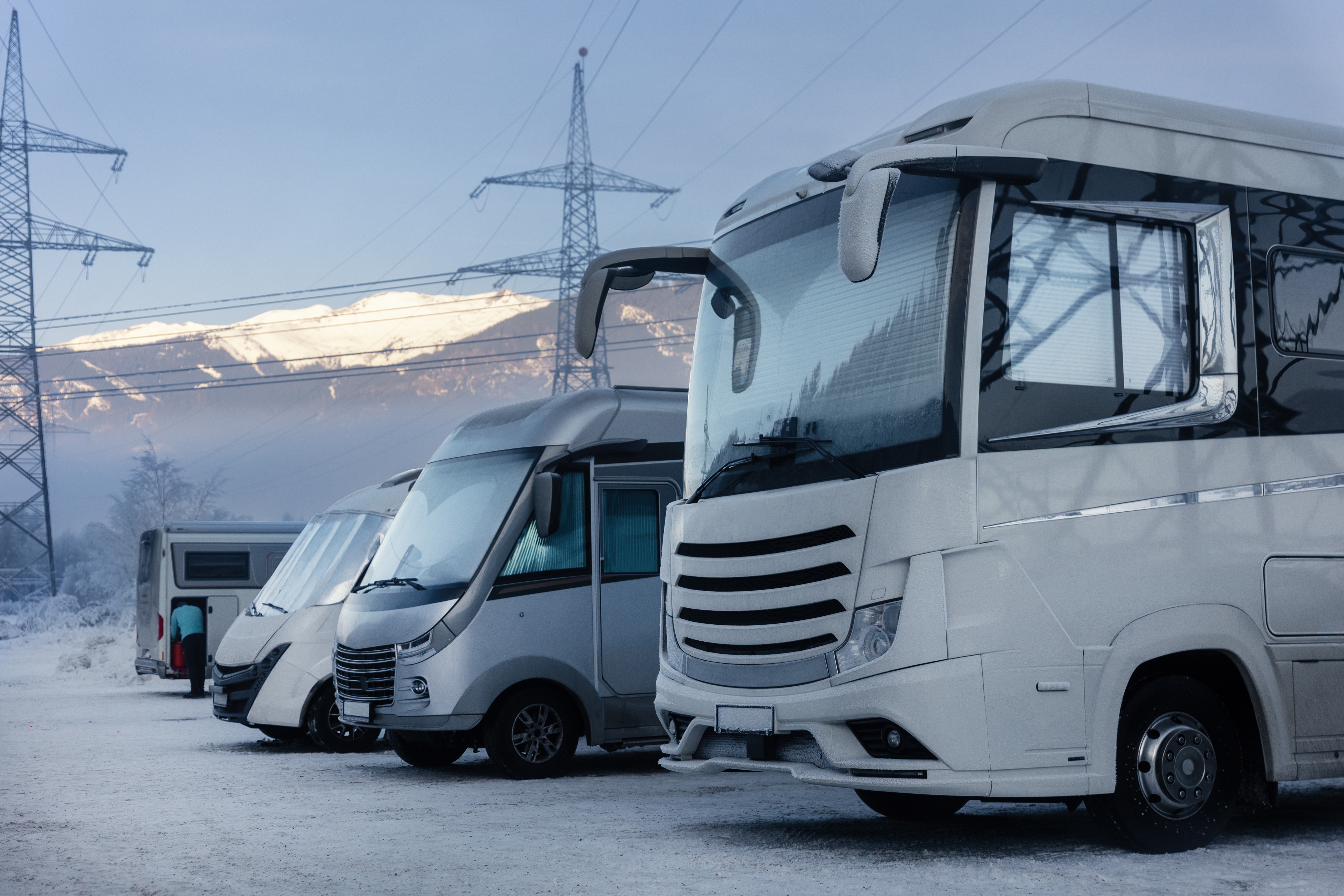
At MR RV Mobile Repairs, we know winter in Northern California can look very different from one community to the next. An RV near Chico or Marysville may face chilly rain and dense fog, while rigs around Paradise, Magalia, Shasta, Lassen, or the Sierra Nevada foothills can encounter freezing temperatures and snow. Coastal areas such as Humboldt County bring their own combination of damp air and persistent moisture.
That variety makes regional preparation important. We provide mobile RV and trailer repairs throughout much of the North State, bringing service directly to customers rather than requiring them to transport their rig to a dealership. Preparing early gives you time to address vulnerable systems before cold, moisture, and extended storage create avoidable trouble.
Protect Your Plumbing Based on Where You Park
Frozen water can cause significant damage inside an RV plumbing system. As water freezes, it expands, which can damage P-traps, fittings, connections, and other components. The level of protection needed depends on how cold your location is likely to get.
In milder valley areas such as Chico or Marysville, clearing the plumbing with compressed air may be appropriate for some RVs. A typical blow-out process includes draining the freshwater tank, opening the low-point drains, and using a blow-out plug with regulated air pressure around 45 to 50 PSI to remove residual water from the lines.
RVs stored where hard freezes are common require a more protective approach. This generally involves bypassing the water heater and pumping non-toxic pink RV/Marine antifreeze through the plumbing until it reaches each hot and cold faucet.
We also recommend paying attention to the less obvious water lines. The toilet, black tank flush line, outside shower, and rear spray ports should be cleared or protected as appropriate. These smaller areas can be easy to overlook, but trapped water can still create damage when temperatures drop below freezing.
Control Moisture Before Mold Has a Chance to Develop
Freezing temperatures are not the only winter concern in the North State. Rain, Tule fog, and lingering humidity can create condensation inside an RV that sits closed for weeks or months, giving mildew and mold an opportunity to develop.
Moisture-absorbing products such as DampRid can be placed throughout the interior during storage. If your rig remains connected to shore power, a compact dehumidifier can also help manage humidity and protect interior walls, upholstery, cabinets, and other surfaces from prolonged dampness.
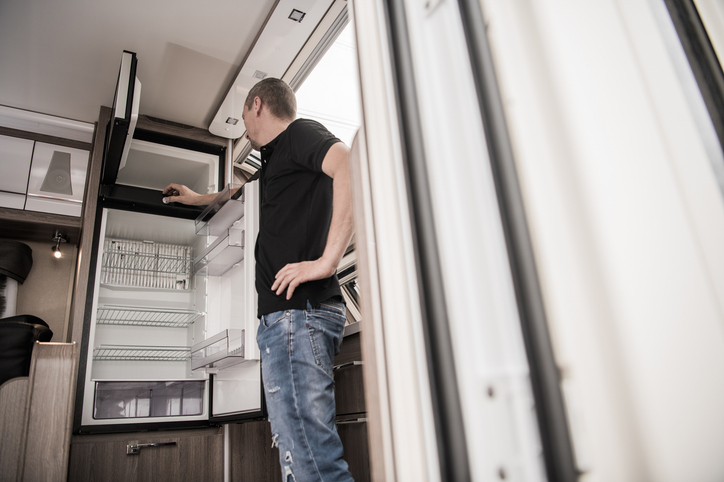
Your refrigerator and freezer deserve attention as well. We recommend emptying, cleaning, defrosting, and drying both compartments before longer storage. Leaving the doors propped open allows air to circulate and helps prevent musty odors and mold from developing while the appliances are not in use.
Moisture control is particularly important for RVs stored in valley and coastal areas where winter conditions may be more damp than bitterly cold. A few preventive steps now can make reopening your RV in the spring far more pleasant.
Keep Rodents and Other Pests Outside
Cold, wet weather sends mice, rats, insects, and other pests looking for sheltered places. An unattended RV can become an attractive target because small openings provide access to a dry interior that may still contain food or nesting materials.
Inspect the underside of your rig closely, paying attention to areas where stabilizer jacks, propane lines, sewer plumbing, and other components pass through the underbelly. Small gaps can be packed with steel wool or an appropriate heavy-duty anti-rodent expanding foam to help block entry.
Food removal should also be thorough. Pantry items such as spices, oils, condiments, and other products with strong food odors can attract pests even when obvious snacks have been removed. Clearing cabinets and storage areas gives rodents far less reason to investigate your RV.
We recommend handling these steps before the winter rains arrive. Sealing entry points and removing attractants is much easier than dealing with chewed materials, damaged storage areas, or contamination months later.
Prepare House Batteries and Your Generator for Storage
House batteries need attention when an RV will spend extended time sitting idle. Cold weather and inactivity can contribute to battery discharge, so proper preparation can help preserve their condition through the winter.
For extended storage, disconnect 12-volt house batteries as appropriate, clean the terminals, and place them on a trickle charger or battery tender in a temperature-controlled space. We also provide battery testing and replacement when RV owners need professional help with battery-related concerns.
If your RV has an onboard gas or diesel generator, prepare its fuel supply before putting the rig away. Top off the applicable tank, add a quality fuel stabilizer according to product directions, and run the generator for approximately 10 to 15 minutes so the treated fuel can circulate through the system.
These tasks are relatively small compared with discovering a discharged battery or generator trouble when you are ready to travel again. Including them in your winter storage routine can help make the next season easier to start.
Get Ahead of the First Hard Freeze
Good RV winterization in Northern California is not about following one universal checklist. Plumbing protection may take priority in higher elevations, while moisture control can be just as important in rainy and fog-prone areas. Pest prevention, battery care, and generator preparation help round out a more complete seasonal plan.
At MR RV Mobile Repairs, we are an authorized mobile repair service for Forest River and Keystone, and we work with dealer recalls and most warranty companies. We come to your home, campsite, or storage location, making it easier to address RV service needs without hauling your rig to a dealership.
If you would like professional help preparing your RV for the colder months, call 530-678-6778 to schedule mobile service and get your rig ready for the North State winter.